Why a Bed Bug Exterminator Helps Restore Comfort
The Science Behind Bed Bug Heat Treatment: A Comprehensive Overview
Heat treatment stands out as a top solution for eradicating bed bugs. By raising temperatures to between 120°F and 140°F, this method addresses every life stage of the infestation, including even the most difficult-to-destroy eggs. In contrast to chemical-based solutions, heat treatment offers a non-toxic alternative that benefits indoor air quality. Grasping the details of this approach is critical for effective results. What specific preparations and monitoring are necessary to guarantee ideal results? The solution can be found in the information that follows.
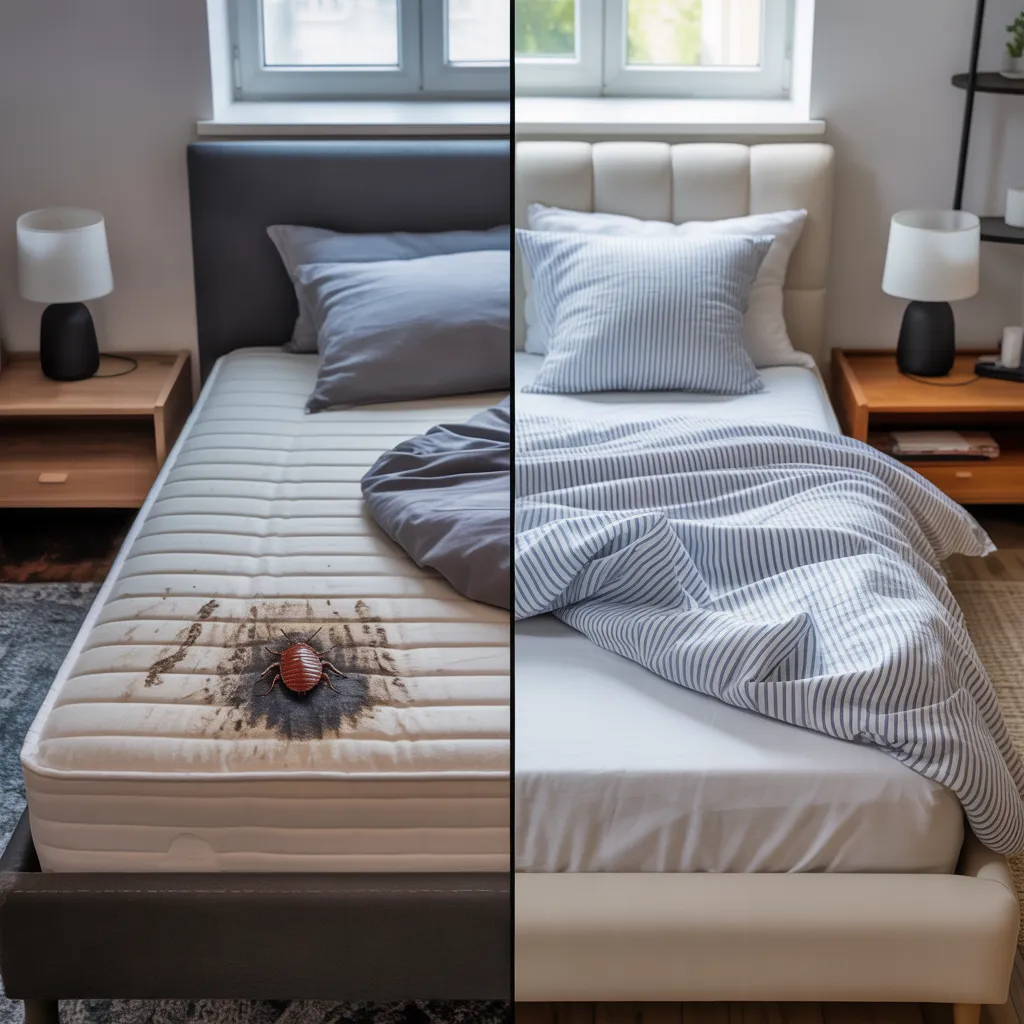
The Way Heat Treatment Effectively Removes Bed Bugs
Heat treatment acts as a potent technique for eliminating bed bugs by elevating the temperature within infested areas to temperatures deadly to these insects. In most cases, temperatures spanning 120°F and 140°F are achieved, effectively killing bed bugs in all life stages, from eggs to adults. This technique reaches various materials, making certain that buried populations inside furniture, carpets, and crevices are thoroughly treated.
This process typically utilizes dedicated machinery that produces and distributes heated air across the impacted area, sustaining the necessary heat levels for a designated period. Unlike chemical treatments, this approach produces no lingering chemical traces, offering a more sanitary solution for residents. Moreover, it lowers the chances of bed bugs developing resistance, a growing concern with conventional pesticides. As a result, heat treatment is increasingly recognized as a thorough solution for those facing bed bug infestations. Its success stems from its capacity to address infestations both directly and comprehensively.
Understanding the Bed Bug Life Cycle: Critical Stages and Treatment Considerations
Comprehending the life cycle of bed bugs is critical for successful pest control, as each developmental period presents unique challenges for control. Bed bugs undergo five developmental stages before achieving full maturity, each demanding a blood meal to progress. This need for blood consumption makes them targets for control measures, yet their resilient nature hinders elimination attempts.
The lifecycle starts with eggs, which are miniature, whitish, and arranged in clusters. After hatching, the emerging nymphs can swiftly grow into fully developed adults within weeks when conditions are ideal. Adult bed bugs can live for several months without feeding, enabling them to survive in various environments.
Recognizing these stages is essential; targeting the nymphs and adults simultaneously enhances treatment efficacy. Furthermore, the capacity to multiply at a fast rate suggests that a limited population can swiftly expand, demanding swift and systematic heat treatment methods to hinder their progression and remove infestations completely.
What Temperature Is Needed to Eliminate Bed Bugs?
To properly get rid of bed bugs, it is essential to recognize the temperature required for their destruction. Research indicates that temperatures between 118°F and 122°F can efficiently destroy these bugs, but the period of thermal treatment also matters greatly. Moreover, precautionary measures must be carefully considered to secure a effective outcome without damaging the environment or property.
Optimal Lethal Temperature Range
Accomplishing successful bed bug eradication requires careful heat regulation. Studies show that bed bugs are susceptible to heat, with an effective killing temperature range between 118°F and 122°F (48°C to 50°C). At these temperatures, adult bed bugs, nymphs, and eggs can be eliminated rapidly. It is essential to keep these heat levels steady throughout the infested areas to guarantee complete extermination. Temperatures above 122°F can hasten the extermination process, but vigilance is required to avoid harming nearby materials. Knowing the optimal heat levels is imperative for experts performing thermal treatments, as it critically affects the efficacy of the process. Reliable tracking equipment are often employed to ensure that specified temperatures are attained and held during treatment.
Time of Heat Exposure
Proven heat treatments for bed bugs depend not only on temperature but also on the length of contact. Research indicates that bed bugs and their eggs require sustained exposure to temperatures of at least 120°F (49°C) to guarantee successful eradication. A recommended minimum duration of 90 minutes is frequently suggested at this temperature to penetrate fabrics and access hidden insects. Higher temperatures, around 135°F (57°C), can reduce the necessary exposure time, often to about 30 minutes, but careful monitoring is essential to avoid any unintentional damage to the environment being treated. Establishing the right balance of temperature and duration is essential for optimizing the efficiency of heat treatment in removing bed bug infestations.
Safety Considerations for Treatment
Determining the suitable temperature for bed bug heat treatment is vital for maintaining safety standards during the extermination process. Findings demonstrate that temperatures between 118°F (48°C) and 122°F (50°C) effectively kill bed bugs and their eggs within several hours of sustained exposure. Nevertheless, achieving these temperatures safely demands careful monitoring to prevent overheating, which can present dangers to structures and personal belongings. It is critical to employ specialized equipment and certified experts to maintain consistent heat levels throughout the treatment area. In addition, safety precautions must be established to protect occupants and pets from risk of injury. Effective planning and execution can mitigate risks while review this content guaranteeing effective bed bug elimination through heat treatment.
How Bed Bug Heat Treatment Surpasses Chemical Treatments
Bed bug heat treatment delivers rapid results, effectively eliminating infestations in a single session. Compared to chemical methods, it creates a chemical-free environment that is safer for occupants and pets. Moreover, thermal treatment works to prevent resistance, providing sustained effectiveness in eliminating bed bugs.
Rapid Results Obtained
Heat treatment rapidly eradicates bed bugs, delivering instant results that chemical solutions frequently fail to achieve. This technique increases the heat in infested zones to a fatal degree, thoroughly destroying bed bugs at each stage of development, including eggs. In contrast to chemical treatments, which often demand multiple applications and yield inconsistent results, heat treatment offers a definitive remedy that can be accomplished in just a few hours. Homeowners often notice a significant reduction in bed bug activity immediately after the treatment, with a large number of people noting full extermination within days. Additionally, heat treatment reduces the risk of bed bugs developing resistance, a common issue associated with chemical pesticides. By offering quick results and long-lasting effectiveness, heat treatment stands out as a superior choice for bed bug eradication.
Advantages of a Chemical-Free Setting
Eliminating bed bugs through heat treatment not only provides immediate results but also creates a chemical-free environment, providing substantial benefits to homeowners. This technique limits the risk of chemical exposure, making it safer for families, pets, and the environment. As homeowners grow more conscious of the potential health risks linked to chemical pest control, heat treatment presents itself as a superior alternative. Furthermore, it removes the requirement for residents to leave their homes for prolonged periods, as is commonly demanded with chemical treatments. The elimination of harsh chemicals also guarantees no persistent odors or residue, further enhancing indoor air quality. In summary, using heat treatment promotes a healthier living environment, while efficiently removing bed bugs without the challenges connected to chemical treatments.
Approaches to Resistance Prevention
A growing number of homeowners are worried about bed bug resistance to chemical treatments, making heat treatment a more effective alternative. Heat treatment thoroughly destroys bed bugs at all life stages by raising temperatures to levels lethal to these pests. Unlike chemical solutions, which can lead to resistance over time, heat treatment interrupts the life cycle without enabling resistance. Additionally, it permeates a wide range of materials, guaranteeing complete treatment of affected zones. This method removes any danger of chemical remnants, promoting a safer environment for families and pets. By using heat as an alternative to chemical treatments, homeowners can significantly lower the chances of recurring infestations, as bed bugs cannot develop resistance to high temperatures. Therefore, heat treatment functions as a durable, long-lasting remedy for bed bug infestations.
Getting Prepared for Heat Treatment
Getting ready for heat treatment is a critical step in efficiently managing a bed bug infestation. Homeowners must take specific actions to guarantee the process is successful. Initially, all items in the treatment area should be removed or properly prepared. This includes clothing, linens, and personal belongings, which should ideally be laundered and dried using high heat.
Additionally, large pieces of furniture and other substantial items should be moved away from walls to allow the heat to circulate freely. It is important to notify the heat treatment specialists of any delicate items or specific areas that might need extra attention.
Furthermore, pets need to be moved to protect them during the treatment. To conclude the preparation, people should leave the area for the required duration, permitting the heat to spread throughout the space. By following these preparatory steps, occupants can substantially boost the effectiveness of the bed bug heat treatment process.
What Takes Place During Bed Bug Heat Treatment?
After all required preparations have been made, the heat treatment process commences. Professional technicians utilize advanced heaters to steadily elevate the temperature throughout infested spaces, typically to a range between 120°F and 140°F. This elevated temperature is vital, as bed bugs and their eggs cannot survive prolonged exposure to such heat.
Throughout the procedure, the specialists strategically position temperature monitoring devices to measure temperature readings throughout the space, guaranteeing consistent heat dispersal. This works to eradicate concealed bed bugs in various locations, including furniture, mattresses, and wall cavities.
The entire process typically takes a few hours, according to the size of the infested space. Afterward, the space is cooled down, and technicians carry out extensive evaluations to validate the efficacy of the procedure. As a final step, they may provide recommendations for precautionary steps to guarantee that these pests do not return. This thorough strategy seeks to completely remove the pest issue efficiently.
Frequently Asked Questions
How Long Does Heat Treatment Typically Take to Complete?
Heat treatment for bed bugs generally requires anywhere from six to eight hours to complete. This period of time confirms that the temperature reaches temperatures fatal to all life stages of the pests inside the treatment zone.
What Risks Do Electronics Encounter During Heat Treatment?
Heat treatment poses risks to electronics due to high temperatures. Devices can overheat, leading to malfunctions or permanent damage. To minimize potential damage during the process, precautions such as removing sensitive electronics are strongly recommended.
Can Heat Treatment Kill Other Pests Besides Bed Bugs?
Heat treatment is highly effective at eliminating a wide range of pests in addition to bed bugs, including fleas, cockroaches, and termites. Extreme temperatures interfere with their life cycles, rendering this approach a comprehensive solution for numerous pest control issues.
How Frequently Should I Schedule Heat Treatments for Prevention?
Regular heat treatments for preventive purposes should be scheduled on a six to twelve month basis, depending on the degree of risk in the environment. Consistent monitoring and expert guidance can additionally customize the treatment frequency to specific needs.
Can My Furniture Withstand the Heat Treatment Process?
Throughout the heat treatment process, the majority of furniture remains safe when adequately prepared. Heat levels are closely observed to minimize harm, but fragile items including electronics or antiques could necessitate extra precautions. Consulting professionals guarantees maximum safety for all belongings.